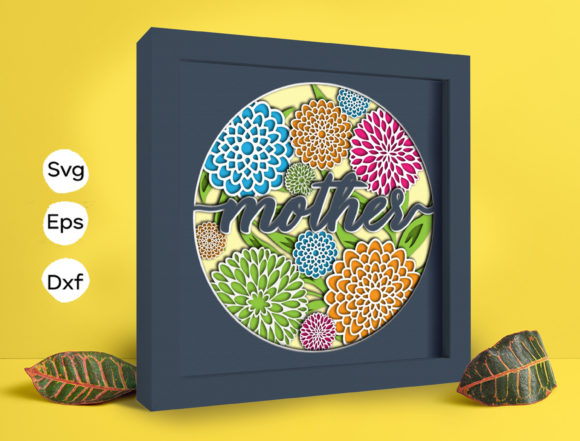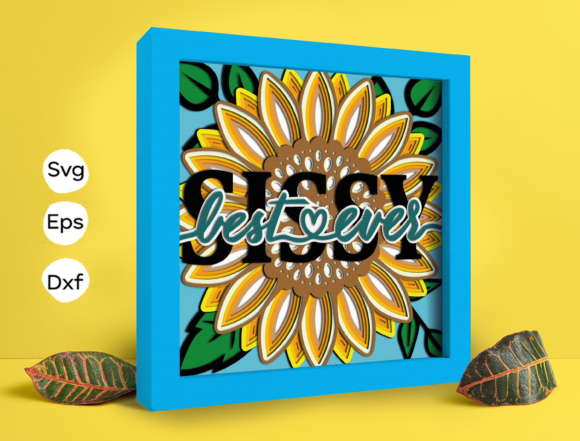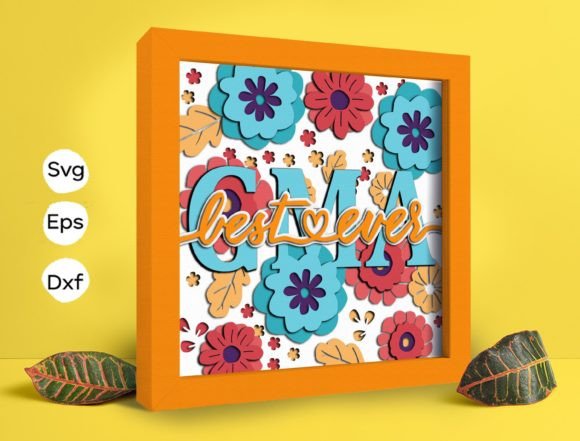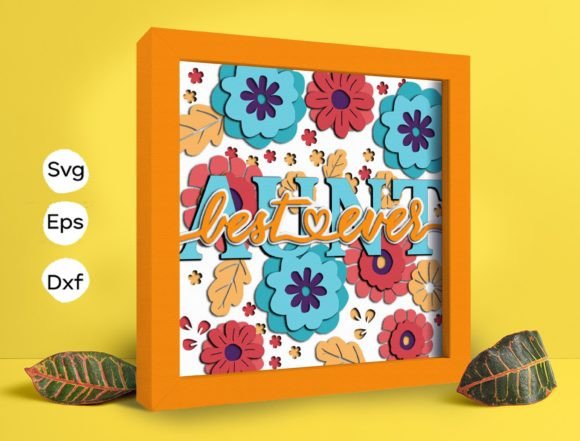
Tropical Vibe Meets Embroidery Craft: A Designer’s Take on the Papercut Light Box
First Impressions: A Breath of Island Air
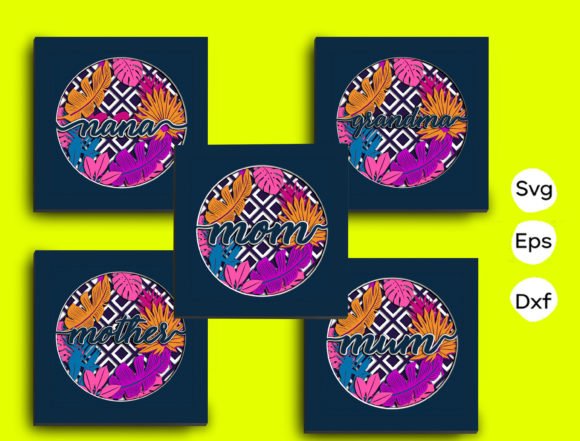
Opening the Bundle Tropical Leave Papercut Light Box files, I was immediately struck by the clean, airy aesthetic. This isn’t just another embroidery design—it’s a mood. The papercut style gives it a handcrafted feel, while the tropical leaf motif brings in a relaxed, vacation-ready vibe. The design feels modern yet familiar, making it a versatile option for a range of handmade and commercial embroidery projects.
From a designer’s perspective, this design reads well at a glance. The open negative space mimics shadow box artistry, which is smart for a 3D SVG file. It’s the kind of design that could elevate a simple tote bag or add a touch of personality to a custom sweatshirt. I could already picture it stitched onto a linen baby onesie for a boutique nursery collection or embroidered onto a linen tea towel for a tropical-themed boutique line.
Real-World Embroidery Use: From Concept to Stitched Reality
Let’s get practical. I pulled up the SVG file in my embroidery software and scaled it down to fit a 4x4 hoop—always a good test for versatility. The lines held up well, and the open spaces translated cleanly into stitch paths. This is a big win, especially for smaller hoop embroiderers or those selling on Etsy where compact, high-impact designs are key.
For a recent custom tote bag project, I used the Bundle Tropical Leave Papercut Light Box as a central motif. The stitch-out was clean, with no thread bunching or distortion, even on a medium-weight cotton canvas. The open spaces helped reduce density, which kept the fabric from puckering—a common issue with detailed embroidery.
I also tested it on a stretchy cotton-blend sweatshirt fabric. Using a medium-weight stabilizer and a topping, the design held its shape without distortion. It’s not overly dense, which helps it adapt well to different fabric types, though I’d recommend caution with very thin or loosely woven materials.
Where to Be Careful: Fabric, Fit, and Finishing
As with any intricate embroidery file, there are a few limitations to keep in mind. The detailed leaf edges and open spaces look great on smooth, stable fabrics, but they can get lost or distorted on highly textured or stretchy materials like fleece or knits without proper prep.
The corners of the design are delicate. On curved surfaces like caps or baby hats, those fine lines may not stitch cleanly unless you take extra care with hooping and underlay stitches. I’d also advise caution when using it on dark fabrics—some of the lighter fill areas might not pop as intended unless you adjust thread colors or use underlays to enhance contrast.
For layered garments or double-sided items like pillow covers, test the reverse side after stitching. Because of the open design, some of the stitching may show through on the back, which could affect the finished product’s presentation if not planned for.
Design Appeal and Commercial Viability
What really sets the Bundle Tropical Leave Papercut Light Box apart is its visual clarity. It has a strong silhouette, which is essential for embroidered patches, boutique apparel, and personalized gifts. The design reads well from a distance, which is key for Etsy sellers or small shop owners who need their products to stand out in digital listings or craft fair displays.
From a branding standpoint, this design could easily be part of a cohesive product line—think summer-themed baby items, tropical resort wear, or coastal home décor. It’s subtle enough to work across multiple product types yet distinct enough to become a signature element in a craft business’s design assets.
For digital product sellers, the SVG and DXF files offer flexibility across platforms. I was able to import the design into both Cricut Design Space and Silhouette Studio without issues, and the layers translated cleanly into stitch paths. This makes it a solid choice for those creating printable mockups or digital embroidery previews for clients.
Practical Notes for Embroidery Designers
- Test on scrap fabric first—especially if you’re working with stretchy or textured materials.
- Check thread color contrast—light and dark fabric tests will help you choose the best palette.
- Review stitch density—this design is relatively light, but it’s still important to adjust for fabric type.
- Confirm hoop size compatibility—especially if you’re working with small hoops or curved surfaces.
- Inspect small details—the leaf edges are delicate and may require a slight density boost on stretchy fabrics.
- Test in black and white mockups—this helps visualize how the design will look in different colorways.
- Compare light and dark backgrounds—some areas may need thread adjustments for visibility.
- Use proper stabilizer—medium-weight tear-away or wash-away works best for this design.
- Check licensing—especially if you plan to sell finished items or digital embroidery files.
Final Thoughts: A Smart Addition to Any Embroidery Library
The Bundle Tropical Leave Papercut Light Box is more than just a pretty file—it’s a functional, adaptable embroidery design that bridges the gap between digital artistry and real-world application. Whether you’re a hobbyist making personalized gifts or a small business owner building a commercial embroidery line, this design offers both aesthetic appeal and practical performance.
It’s the kind of design that feels intentional—like it was made with both the creator and the customer in mind. If you're looking for a machine embroidery design that brings a touch of island life to your handmade products, this one is definitely worth a test stitch.