Best Sister Ever Papercut Light Box: A Designer’s Real-World Review
First Impressions: A Delicate Balance of Whimsy and Sophistication
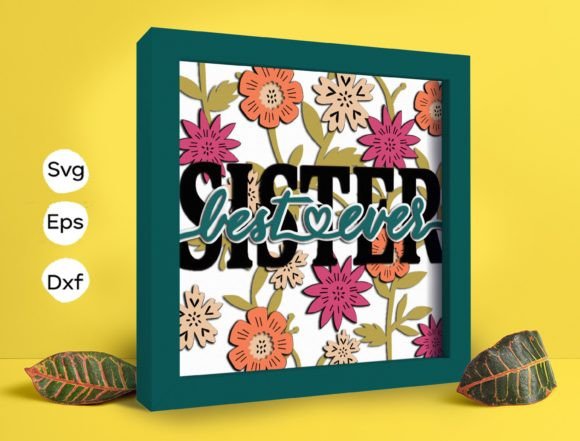
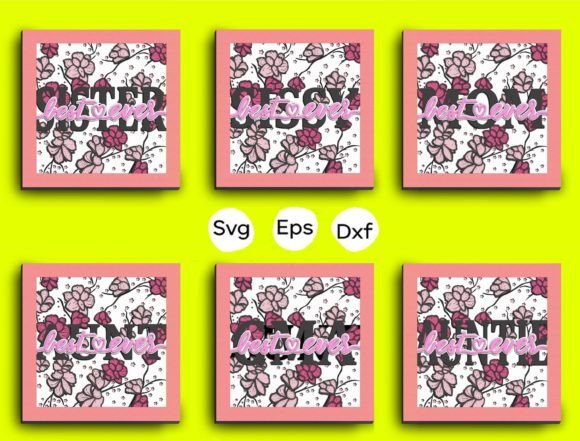
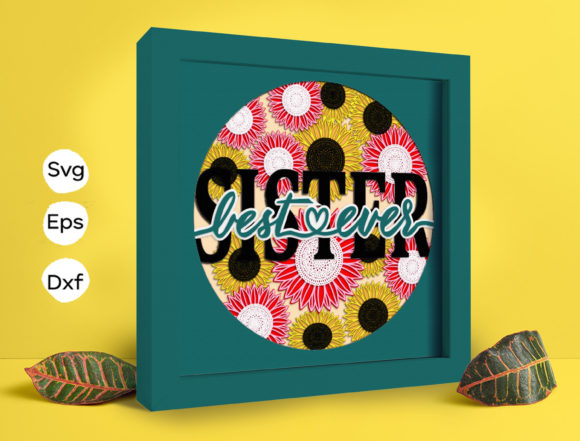
Opening up the Best Sister Ever Papercut Light Box files, the first thing I noticed was the intricate layering and clean linework that gives it that unmistakable papercut aesthetic. It’s a design that feels both delicate and intentional—perfect for gift-based embroidery projects where sentimentality and presentation matter. The 3D SVG format gives it a dimensional quality that stands out, especially when translated into stitched form. It’s not overly complex, but it does require attention to detail, which makes it ideal for small business owners and Etsy sellers looking to offer something with a handcrafted touch.
Real-World Use: From Concept to Embroidered Product
I recently tested this design on a custom tote bag for a client who wanted a personalized gift for her sister. The Best Sister Ever Papercut Light Box design translated beautifully into a medium-weight cotton canvas with a tear-away stabilizer. The layout held up well even with the subtle layering and small text elements. It looked especially sharp when paired with a soft pink thread on an ivory background—giving it that boutique-style finish that Etsy shoppers love.
It also worked surprisingly well on a baby onesie. The key here was choosing the right stabilizer and adjusting the stitch density to prevent puckering on the stretchy knit fabric. The result? A soft, wearable keepsake that maintained its shape and clarity even after a gentle machine wash.
Design Performance Across Embroidery Applications
- Custom Apparel: On a sweatshirt, the design read clearly without distortion. The light box frame element added a nice visual anchor that balanced the overall layout.
- Tote Bags & Tea Towels: These flat, stable surfaces allowed the Best Sister Ever Papercut Light Box to shine. The fine lines held up well, and the papercut effect was easy to read even from a distance.
- Embroidered Patches: When stitched onto felt and trimmed carefully, this design became a charming patch that could easily be sewn onto backpacks or baby blankets.
- Holiday & Wedding Gifts: Paired with a satin stitch border and metallic thread accents, this design elevated the perceived value of personalized gifts like pillow covers and keepsake boxes.
- Digital Mockups: For Etsy sellers, the design translated well into printable mockups. The SVG format made it easy to layer and adjust for product previews without losing resolution.
Where to Use with Caution
While the Best Sister Ever Papercut Light Box is versatile, there are a few situations where extra care is needed:
- Small Hoop Sizes: The design includes small text and fine lines, which can get lost in smaller hoop dimensions. Test scaling before committing.
- Textured or Stretchy Fabrics: Knits and napped fabrics may distort the fine details. Always test on scrap fabric and use a cutaway stabilizer.
- Dark Fabric Backgrounds: The light box frame may not stand out as intended unless you use a contrasting thread color or add a subtle outline.
- Curved Surfaces: On caps or curved pillow inserts, distortion can occur. Consider simplifying or resizing the design to fit the contour.
- Dense Stitch Areas: Some parts of the design have tighter stitch groupings. These can cause puckering if not balanced with the right stabilizer and tension settings.
Impact on Product Appeal and Customer Perception
One of the biggest advantages of the Best Sister Ever Papercut Light Box is how it elevates the handmade look without feeling overly busy. For small shop owners and crafters, this kind of design adds a level of sophistication that customers associate with quality and thoughtfulness. The light box frame gives it a modern edge, which makes it particularly well-suited for boutique-style products and personalized gifts.
From a branding perspective, this design works well across multiple product lines. Whether you're making baby items, holiday décor, or personalized apparel, the visual consistency helps reinforce your brand identity. And for digital product sellers, the inclusion of SVG, DXF, and EPS formats means it’s easy to integrate into design kits or layered mockups.
Practical Designer Notes for Best Results
Before stitching or selling this design, here are a few practical tips I picked up through testing:
- Test on Scrap Fabric: Especially important if you’re using a new stabilizer or working with a tricky fabric like stretchy knits.
- Check Thread Color Contrast: The light box frame can fade into the background on dark or patterned fabrics—use a bright or metallic thread for definition.
- Review Stitch Density: Some areas are more densely stitched than others. Adjust accordingly to prevent fabric distortion.
- Confirm Hoop Size: Don’t assume this will fit your standard hoop—measure the design dimensions before starting.
- Inspect Small Details: Tiny lettering and fine lines may require a smaller needle or higher thread tension to maintain clarity.
- Test in Black & White Mockups: Helps you see the contrast and visual balance before finalizing a product photo or listing.
- Compare Light vs. Dark Fabric: The same design can look dramatically different depending on the background. Choose based on the intended use and audience.
- Use Proper Stabilizer: For best results, use a medium-weight tear-away or cutaway stabilizer—especially for stretchy or thin fabrics.
- Check Licensing: If you’re selling finished items or digital products, make sure the license allows for commercial use. This is crucial for Etsy sellers and small shop owners.
Final Thoughts: A Thoughtful Addition to Your Design Toolkit
The Best Sister Ever Papercut Light Box isn’t just another embroidery file—it’s a design that tells a story. Whether you’re making personalized gifts, boutique apparel, or digital mockups, this design brings a level of craftsmanship and emotional resonance that’s hard to replicate with generic templates. It’s well-suited for both personal and commercial embroidery projects, provided you take the time to test and adjust for your specific use case.
For creative entrepreneurs and experienced crafters alike, this is a design that can easily become a staple in your product lineup. Just remember to approach it with intention, test thoroughly, and always consider the fabric, stabilizer, and final use before stitching.