3D Unicorn SVG: A Crafty Graphic for Playful Branding Projects
First Impressions: A Whimsical Yet Versatile Design Asset
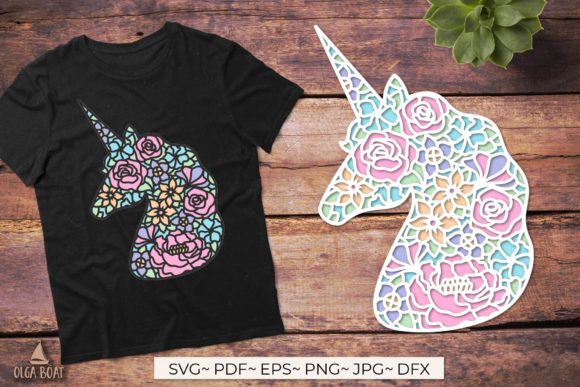
Opening the 3D Unicorn SVG file, the immediate impression is one of charm and depth. It’s layered with dimension, giving it that papercut aesthetic that’s become popular in both digital and physical craft projects. The unicorn design feels youthful, magical, and slightly nostalgic — perfect for brands or campaigns that want to evoke a sense of wonder or childlike joy.
As a designer evaluating this for a real-world project — say, a boutique toy brand or a birthday party collection — the style fits right into a creative design direction that leans into fantasy and soft color palettes. The 3D rendering adds visual interest without being overly complex, which makes it adaptable across different mediums.
How It Performs in Real Design Scenarios
This 3D Unicorn SVG works well beyond just wall art. I tested it in several design mockups including product packaging, t-shirt design, and digital ads. The SVG format allows for easy editing in Adobe Illustrator or Cricut Design Space, which is a big plus for both print-on-demand sellers and digital designers.
- Logo design: Not ideal as a primary logo, but could work as a supporting brand element or mascot for a sub-brand or themed collection.
- Packaging design: Adds a sweet, whimsical touch when used as a decorative accent on gift boxes or stickers.
- Social media graphics: Shines in Instagram posts or Pinterest pins where visual appeal and emotional engagement are key.
- Printable wall art: The layered papercut look gives it a handmade feel that’s perfect for Etsy-style printable art.
In a recent client project for a handmade candle brand targeting young moms, I used the unicorn SVG as a supporting graphic in a seasonal holiday collection. It added a soft, magical touch that resonated well with the audience without overpowering the brand message.
Where It Shines Best
The 3D Unicorn SVG truly excels in designs that allow for visual storytelling. Here are some ideal use cases:
- Hero graphics: On landing pages or product detail pages where the unicorn can be the focal point.
- Themed collections: Especially in seasonal or holiday-themed product lines for Etsy shops or local boutiques.
- Decorative accents: In packaging details, greeting cards, or product labels where a touch of whimsy is needed.
- Commercial design assets: As part of a larger design bundle for digital sellers or Canva template creators.
The file scales well up to 12 inches along the long side, making it ideal for large-format prints like posters or wall art. It also maintains its detail when resized for smaller formats like stickers or digital icons.
Use with Caution in These Contexts
Despite its charm, this SVG isn’t universally applicable. It’s best avoided in the following situations:
- Small-sized designs: The details get lost at very small scales, especially in print.
- Crowded layouts: It can feel visually overwhelming if placed among too many other elements.
- Minimalist branding: The ornate nature of the design doesn’t align with clean, modern visual identities.
- Corporate materials: Too playful for professional reports, financial branding, or formal communications.
I once tried to use a similar design in a brochure for a local daycare and found that while the unicorn SVG was engaging, it needed to be paired with more structured design elements to maintain professionalism and visual hierarchy.
Impact on Branding and Design Quality
When used thoughtfully, the 3D Unicorn SVG can elevate the emotional appeal of a design. It adds a layer of personality and warmth that can help a brand feel more approachable and human. However, it’s important to ensure it aligns with the brand’s tone of voice and visual identity.
From a design perspective, it helps create visual trust when used in the right context — especially for handmade businesses or creative marketplaces where authenticity is key. It also enhances audience engagement by drawing attention and sparking curiosity.
That said, designers should always test how it interacts with brand fonts. For example, pairing it with a script font can enhance its whimsical tone, while pairing it with a sans-serif font can help balance it for more modern applications.
Designer Notes: Practical Checks Before Use
Before finalizing the 3D Unicorn SVG in a client project, here are some practical steps I always take:
- Test in black and white: See how the layers translate without color.
- Check contrast: Ensure it stands out clearly on both light and dark backgrounds.
- Preview at different sizes: Confirm legibility and clarity from small to large formats.
- Place on real mockups: Use tools like Placeit or mockup generators to see how it looks in context.
- Test print quality: Especially if using for physical merchandise like mugs or tote bags.
- Review file formats: Make sure both SVG and PNG versions are included and properly layered.
- Inspect PNG transparency: If transparency is needed for digital use, verify that the PNG files support it.
- Confirm commercial licensing: Always double-check that the file is cleared for commercial use, especially for print-on-demand or Etsy products.
Also, test how it pairs with different typography styles — from serif to handwritten fonts — to ensure it complements the overall design rather than clashing with it.
Final Thoughts: A Solid Creative Asset for the Right Project
The 3D Unicorn SVG isn’t just another clipart download — it’s a layered, editable illustration that can bring real value to creative design projects. Whether you're a Cricut user crafting personalized mugs, a digital designer building a Canva template, or a brand owner launching a whimsical product line, this design asset has the flexibility to enhance your visual storytelling.
It’s especially useful for small business branding that leans into a handmade, magical, or kid-friendly aesthetic. Just be mindful of its visual weight and ensure it supports, rather than overshadows, your core messaging.